

What is koji?
Explore the mysterious mold behind Japan's most iconic flavors.
The moldy basics:
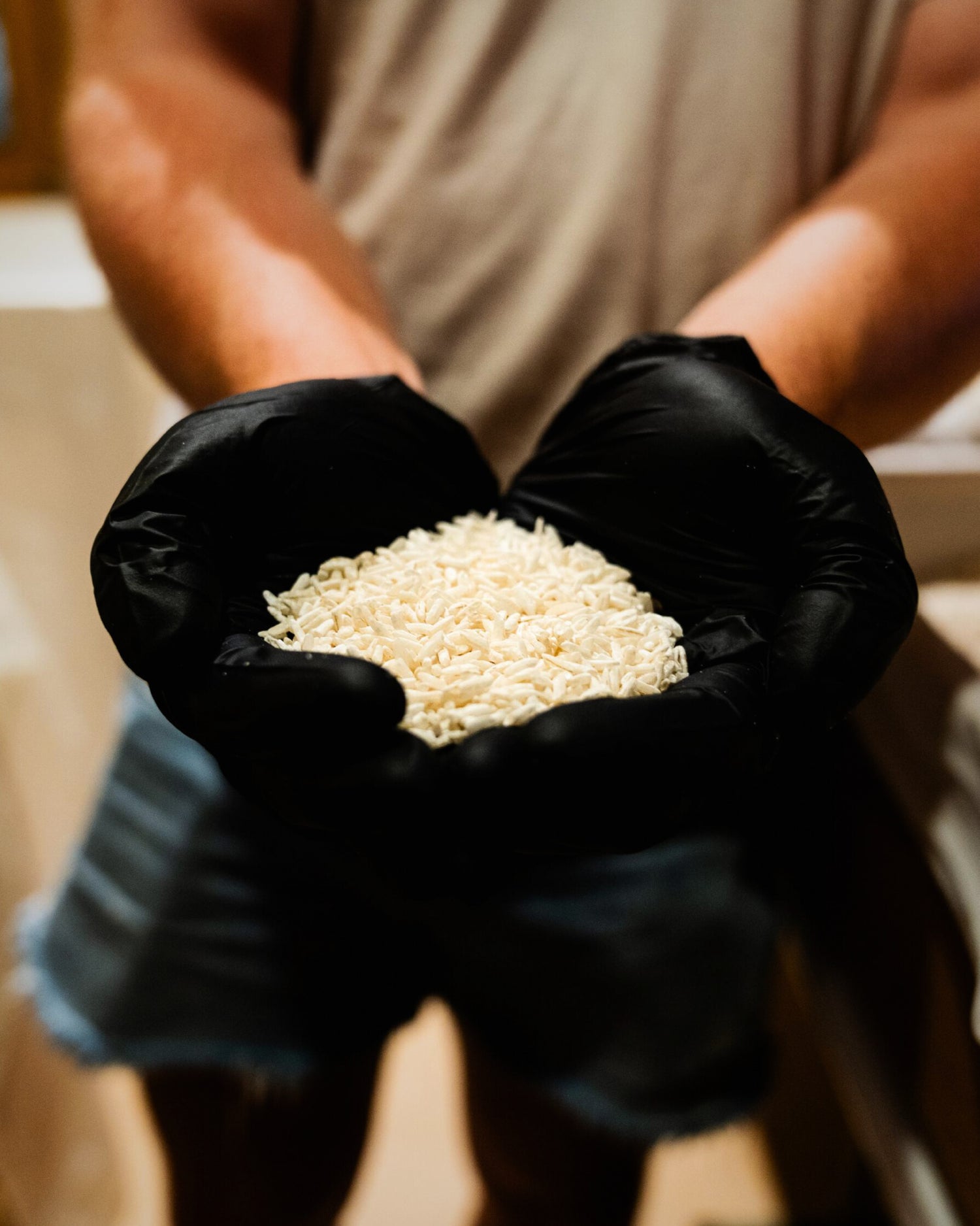
Koji (also spelled kōji or kouji) is traditionally a cooked grain, most commonly rice, that has been inoculated with Aspergillus oryzae, the fermentation culture known as koji mold.
Koji has been famously cultivated in Japan for thousands of years for its uniquely transformative powers. Koji enhances food by producing enzymes that transform nutrients like starches and proteins to create tasty sugars and amino acids.
Why is koji so special?
-
Culture and Tradition
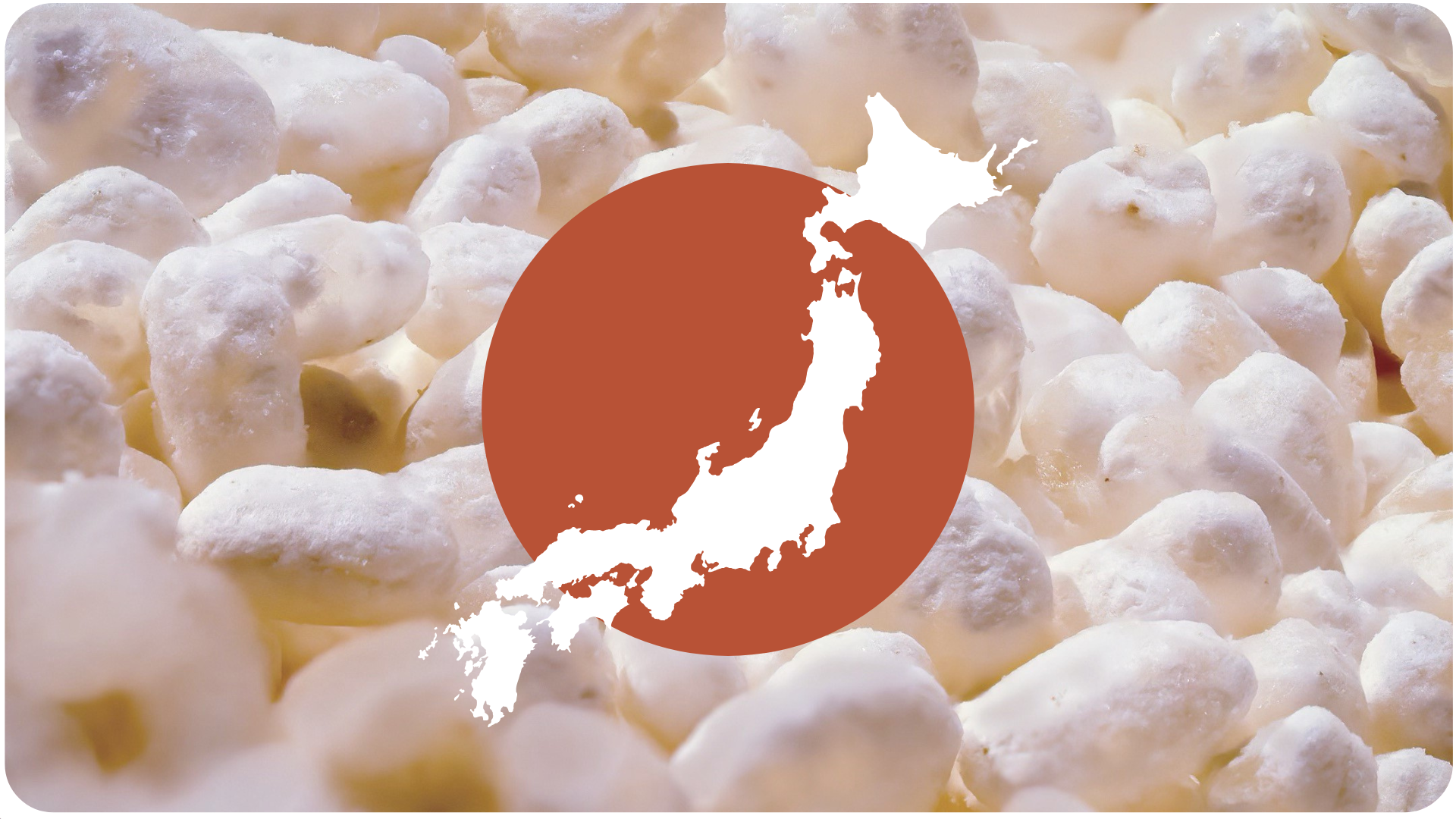
Koji is the foundation of Japanese cuisine and was declared Japan's "official national fungus" in 2006. Koji has a millennia-long history in the island nation reflected in their most popular food staples: miso, soy sauce (shoyu), sake, amazake and so much more!
The process of making rice wine and fermented bean paste using molds was first documented in the 4th century B.C. In 725 AD the Japanese book Harima no Kuni Fudoki ('Geography and Culture of the Harima Province') first mentioned koji outside of China and described that the Japanese produced koji with fungal spores from the air.
-
Kitchen Alchemy
Learn to cook with kojiKoji unlocks richer flavor and texture in your favorite foods. This is made possible by the powerful enzymes koji produces, protease and amylase, which naturally boost sweet and umami flavors by breaking down larger proteins into savory amino acids and carbohydrates into sweet simple sugars during fermentation. These powerful enzymes are also natural tenderizers - try 'em on whatever veggies or protein you like! Koji can also be used to supercharge classic ferments, too - got a favorite fermented hot sauce recipe? Koji will make it better. Want to experiment with it in your own kitchen?
-
Health Benefits
Koji's powerful enzymes help predigest the nutrients in your favorite foods, boosting their availability and absorption, helping your body's digestion while supplying it with more available vitamins and minerals. Koji also has prebiotic properties and is suspecting to be linked to the lengthened longevity in broader Japanese society. Healthy and delicious? What's not to love...
How To Use Koji
to Transform Your Cooking
-
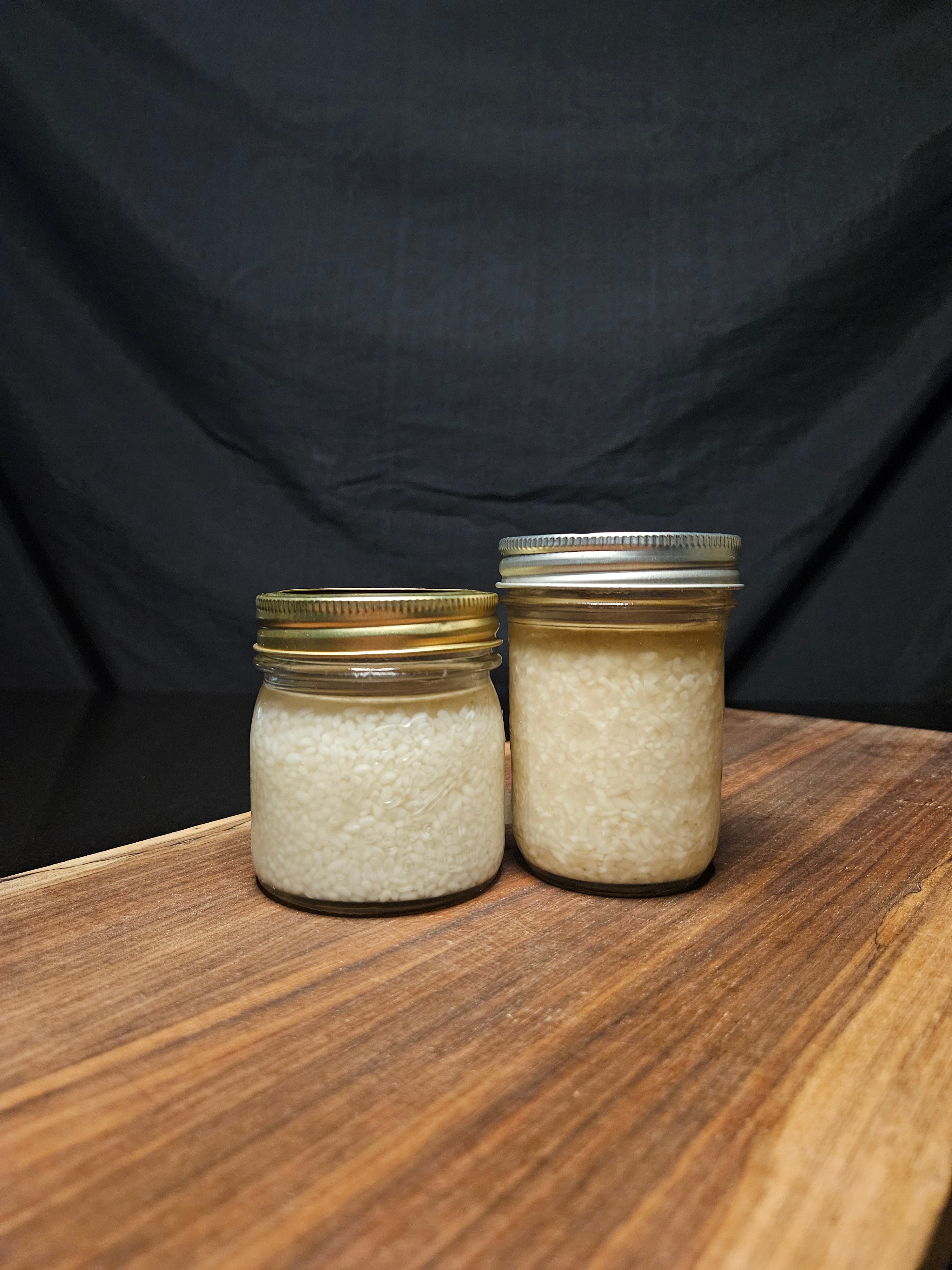
Simple: Shio Koji
VIEW SHIO KOJI GUIDEImpress your dinner guests by marinating proteins in this simple fermented combination of just three ingredients:
rice koji, salt, and water.
-
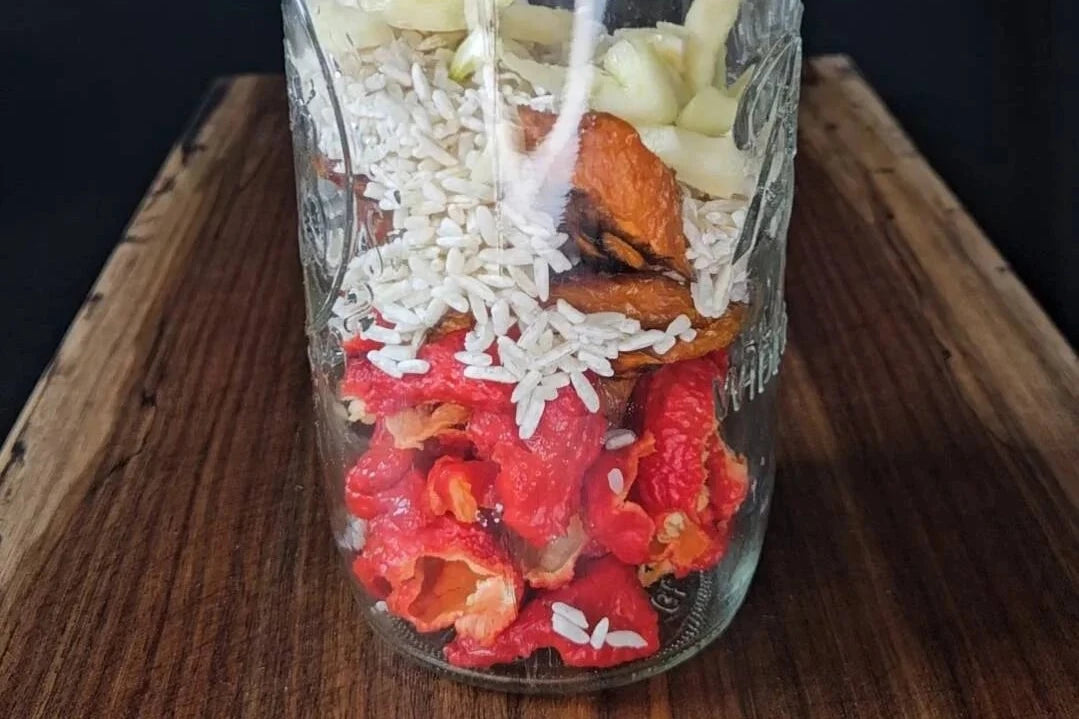
Intermediate: Fermented Hot Sauce
VIEW KOJI HOT SAUCE GUIDEFind your new favorite fiery fermented friend and discover the ways koji can boost flavors and create totally new ones.
-
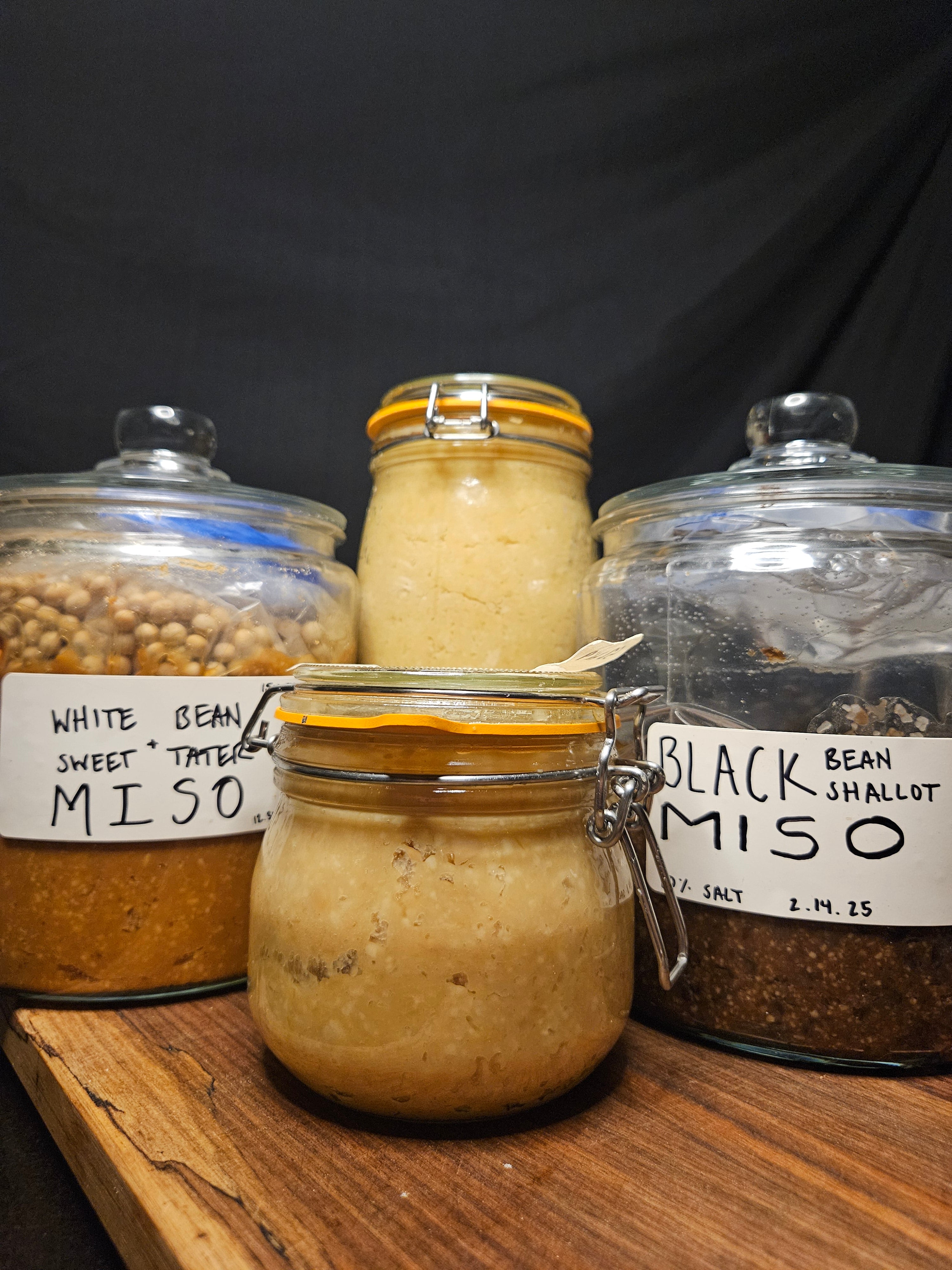
Advanced: Miso
VIEW MISO GUIDEInstantly add the depth and character that puts your dish ahead of the rest. Use koji to make a custom miso that'll blow some minds.
Start Fermenting with Koji
View all-

How to Make Sakadane
Bake loafs with more spring, flat breads with better chew, and a host of other bakes with this naturally koji fermented and gluten free Japanese baking starter.
How to Make Sakadane
Bake loafs with more spring, flat breads with better chew, and a host of other bakes with this naturally koji fermented and gluten free Japanese baking starter.
-

How to Make Doburoku Sake
Before classic Japanese sake, there was doburoku - an ancient homebrew that laid the groundwork for the boozy national icon. Learn its history, why it works, and how to make...
How to Make Doburoku Sake
Before classic Japanese sake, there was doburoku - an ancient homebrew that laid the groundwork for the boozy national icon. Learn its history, why it works, and how to make...
-

How to Make Mirin
Mirin is as versatile as it is delicious. Whether you're a professional chef, curious home cook, or cutting-edge bartender, a homemade mirin has a place in any kitchen.
How to Make Mirin
Mirin is as versatile as it is delicious. Whether you're a professional chef, curious home cook, or cutting-edge bartender, a homemade mirin has a place in any kitchen.
-

How to Make Miso
Your umami journey awaits you. Learn what miso is, where it's from, how to make it and how to use it.
How to Make Miso
Your umami journey awaits you. Learn what miso is, where it's from, how to make it and how to use it.


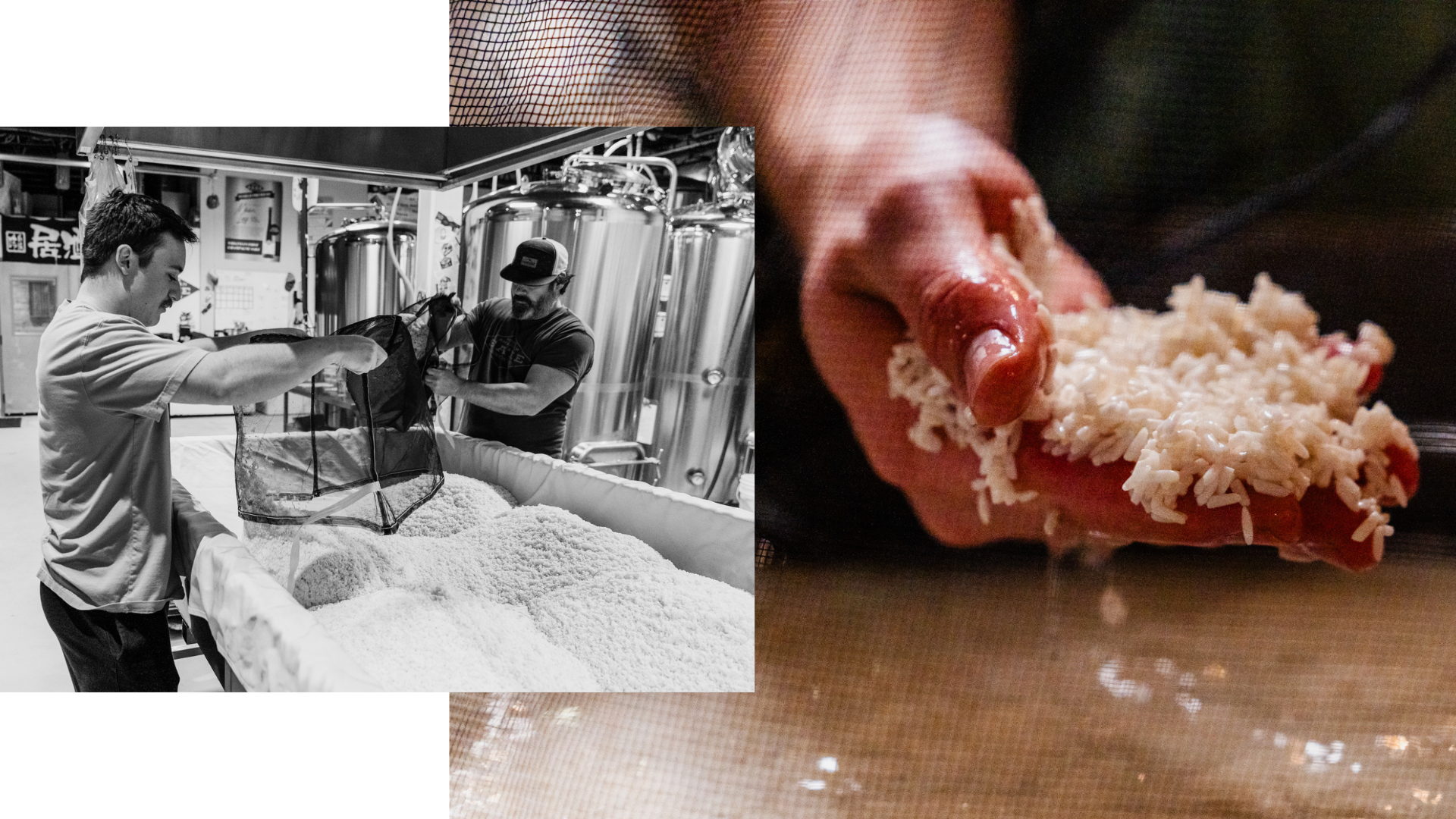
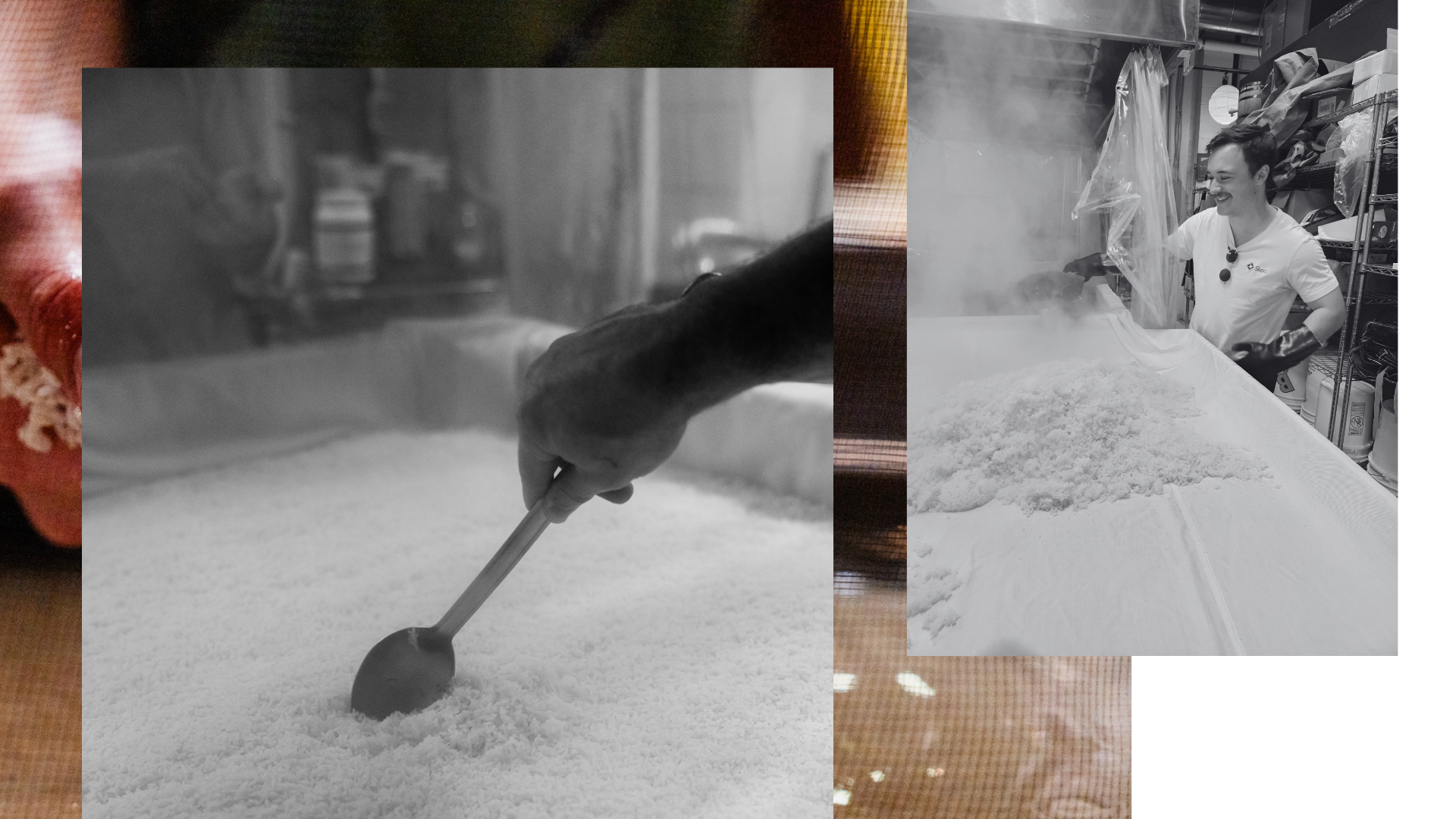
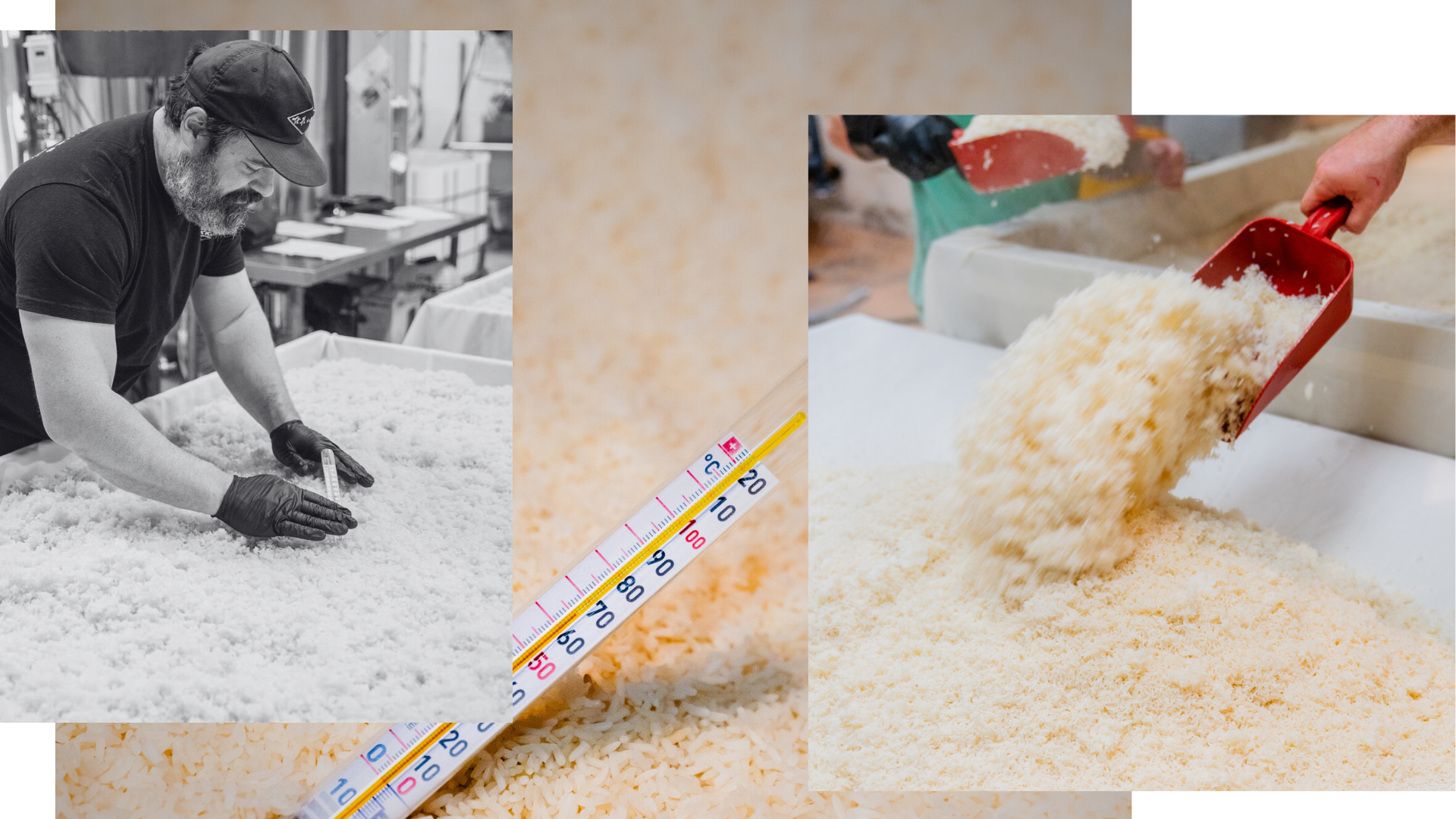
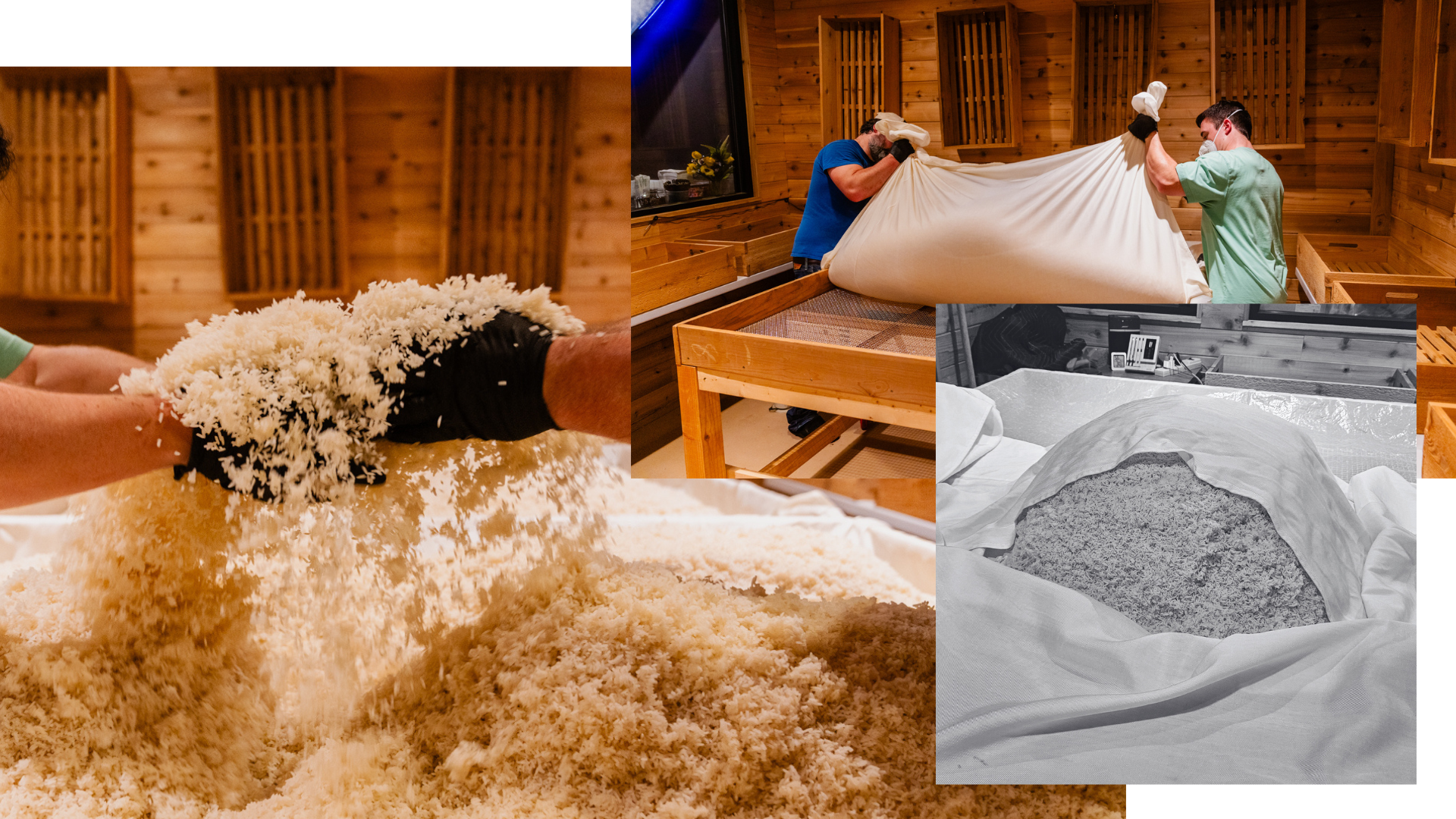
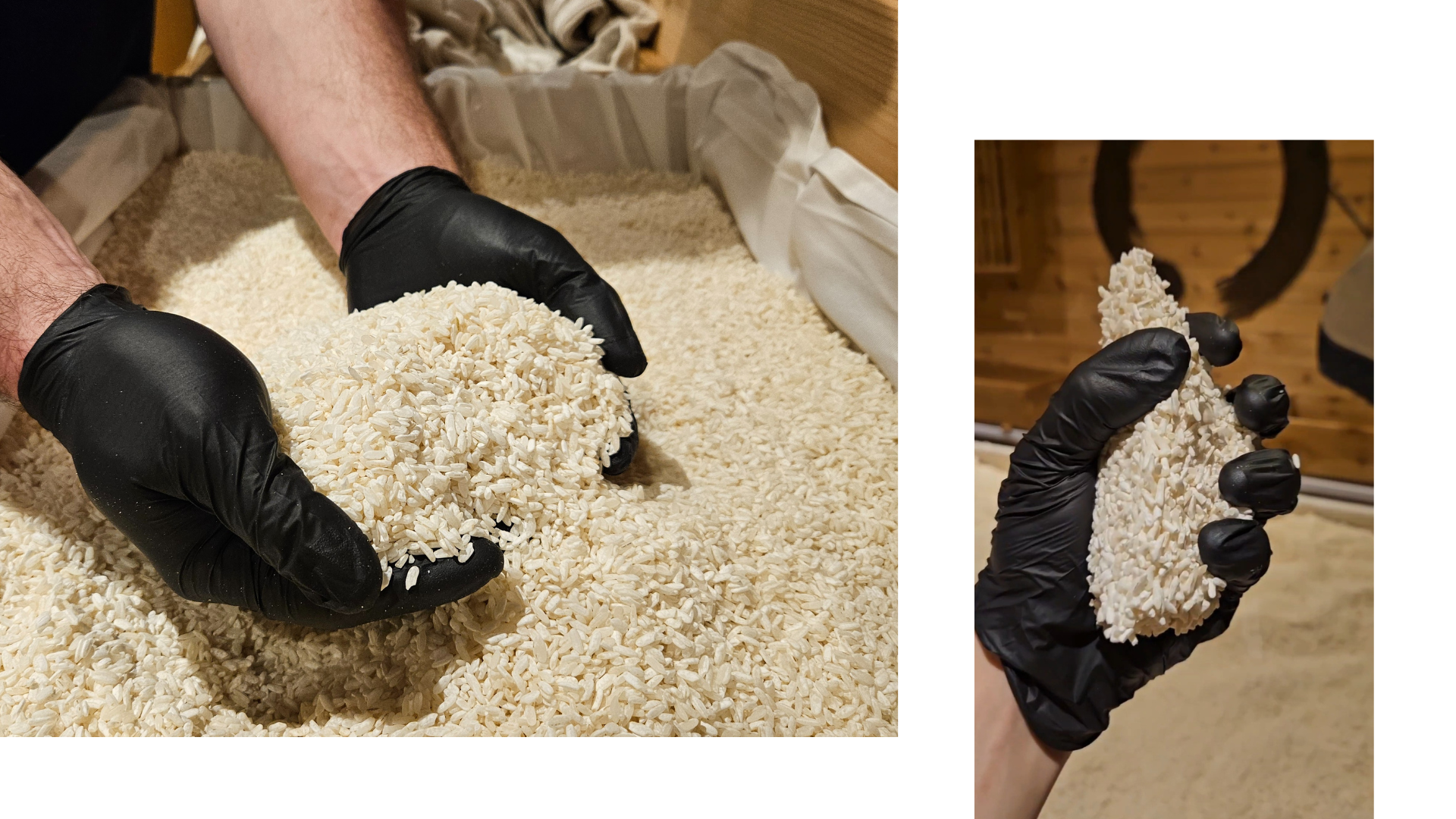
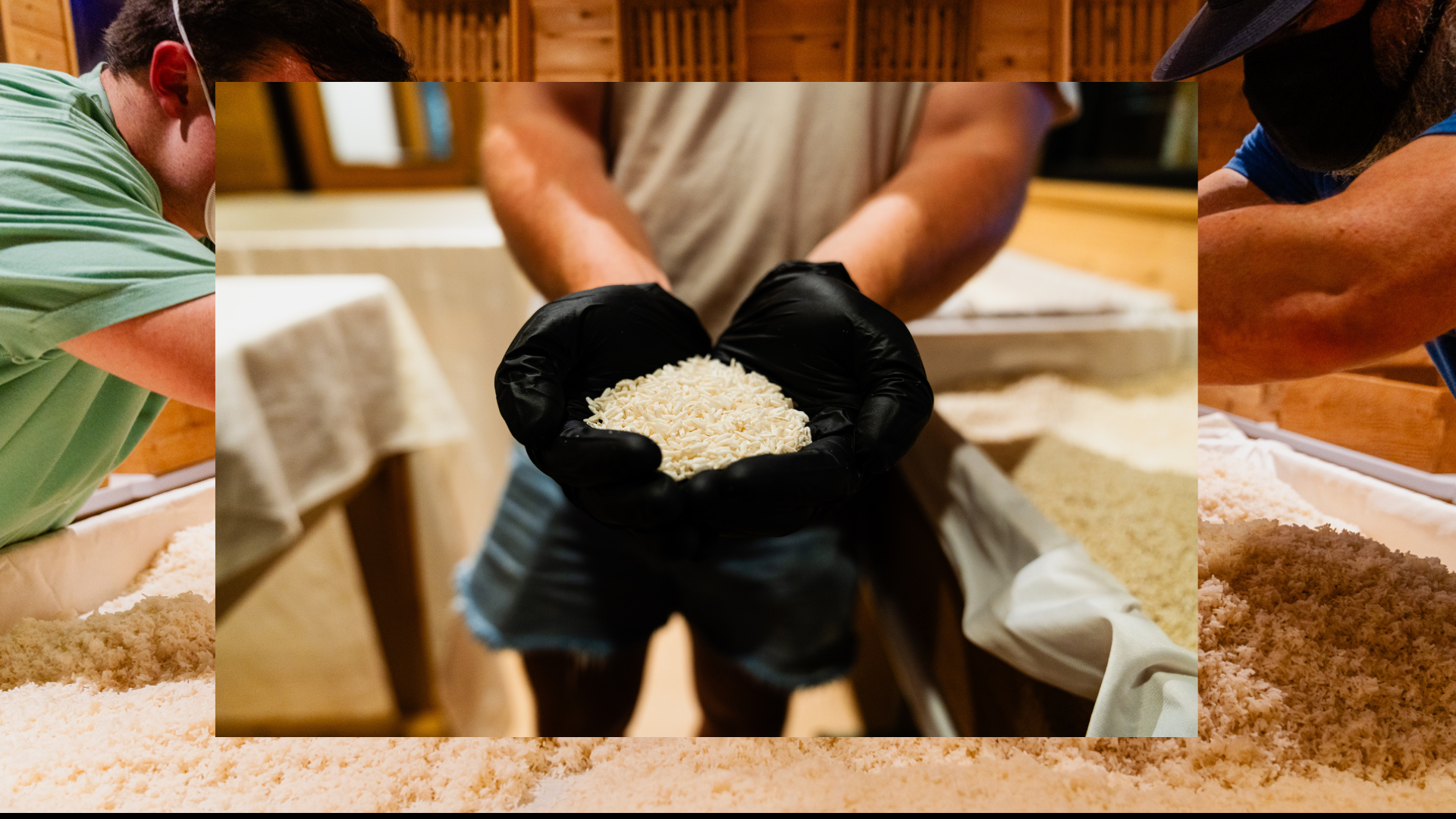
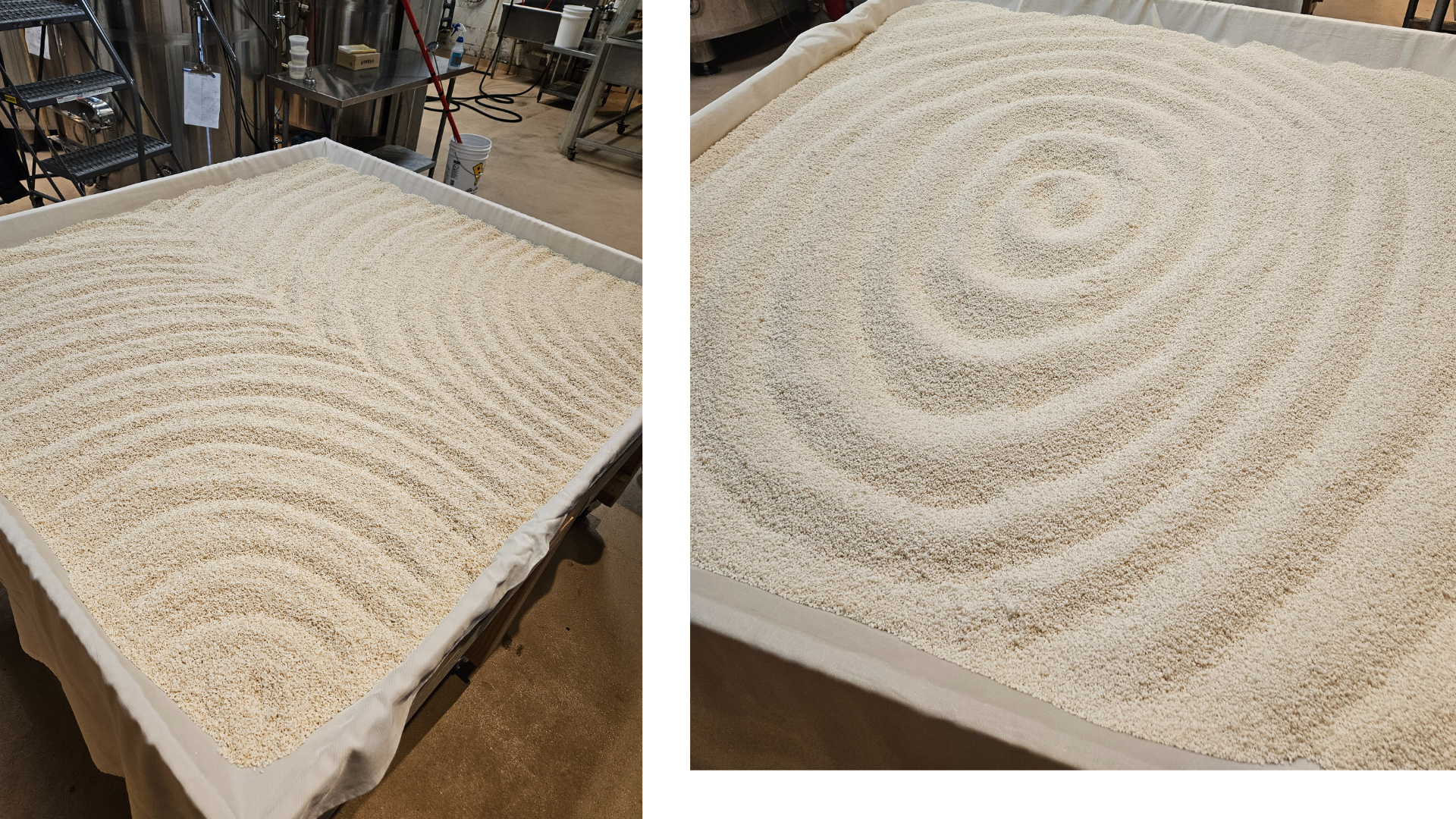
How is koji made?
We carefully follow nine traditional steps to grow the best possible koji for all your projects.


-
Koji Beginner's Bundle
Regular price $34.99 USDRegular priceUnit price per$39.98 USDSale price $34.99 USDSale -

 Best Seller
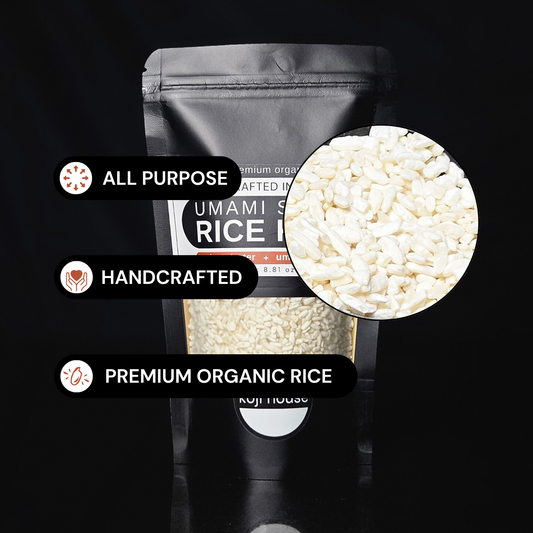
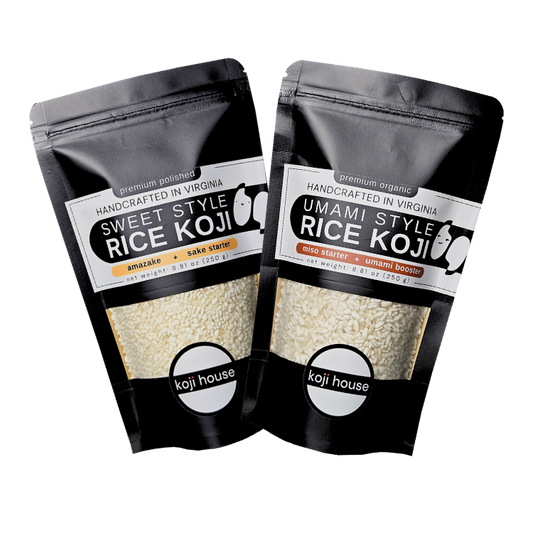
Premium Organic Umami Rice Koji (250g)
Regular price $19.99 USDRegular priceUnit price per -
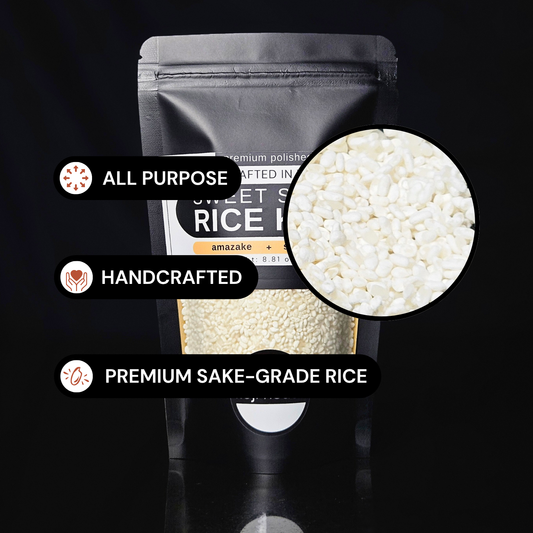
Premium Sweet Rice Koji (250g)
Regular price $19.99 USDRegular priceUnit price per -
Koji Explorer's Bundle
Regular price $99.99 USDRegular priceUnit price per$119.98 USDSale price $99.99 USDSale -

 Best Seller
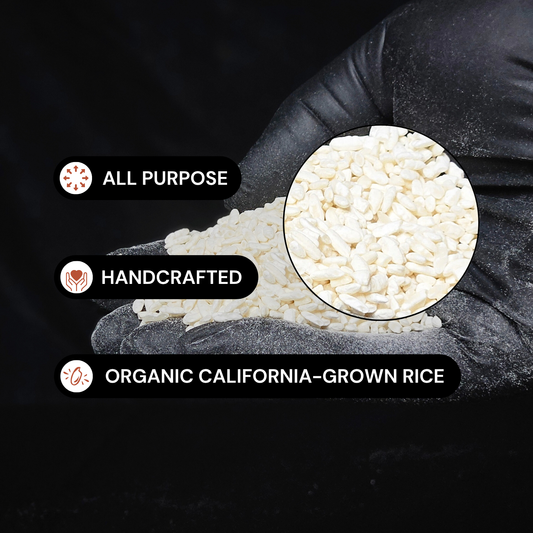
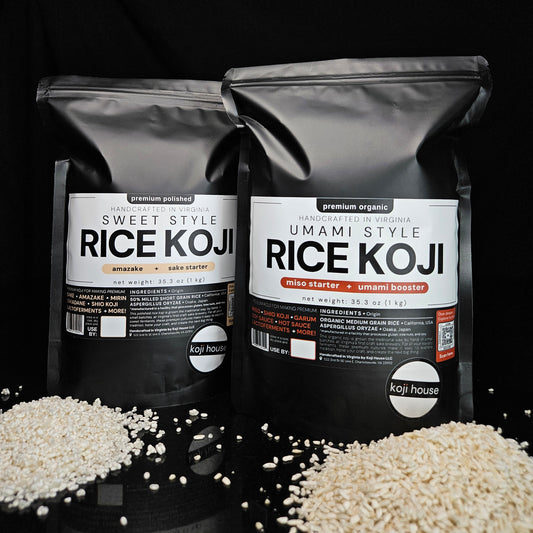
Premium Organic Umami Rice Koji (1 KG)
Regular price $59.99 USDRegular priceUnit price per -
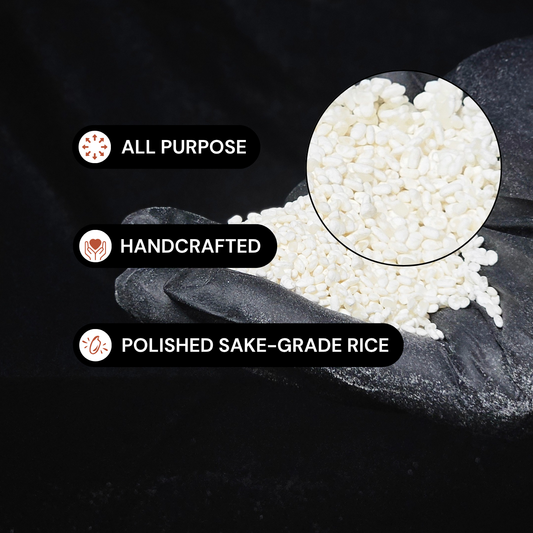
Premium Polished Sweet Rice Koji (1 KG)
Regular price $59.99 USDRegular priceUnit price per






More about koji
Koji: Frequently Asked Questions
What is koji kin?
Koji kin is the name given to the spores that are used to inoculate a substrate (e.g. rice, soybeans, barley) to make the finished koji.
What is koji made of?
Koji is always made using a species of mold from the genus Aspergillus, the most common of which are Aspergillus oryzae, Aspergillus sojae, Aspergillus niger, and Aspergillus awamori.
These molds can be grown on just about anything, but are happiest on cooked grains and legumes - these foods are referred to as the "substrate". Common substrates include rice, barley, and soy beans.
Is koji good for you?
Fermenting your food with koji helps increase the bioavailability of the food's essential vitamins and minerals.
Studies suggest that the glycosylceramide compounds found in koji act as prebiotics, specifically promoting the growth of beneficial bacteria like Blautia coccoides in the gut. That means tastier food for a healthier gut!
Does koji go bad?
Fresh koji has a shelf life of about 1 week, but can be frozen to increase the shelf life to several months.
Dried koji has a shelf life of several months to a year, granted it's stored in a dry and cool environment.
What foods is koji used to make?
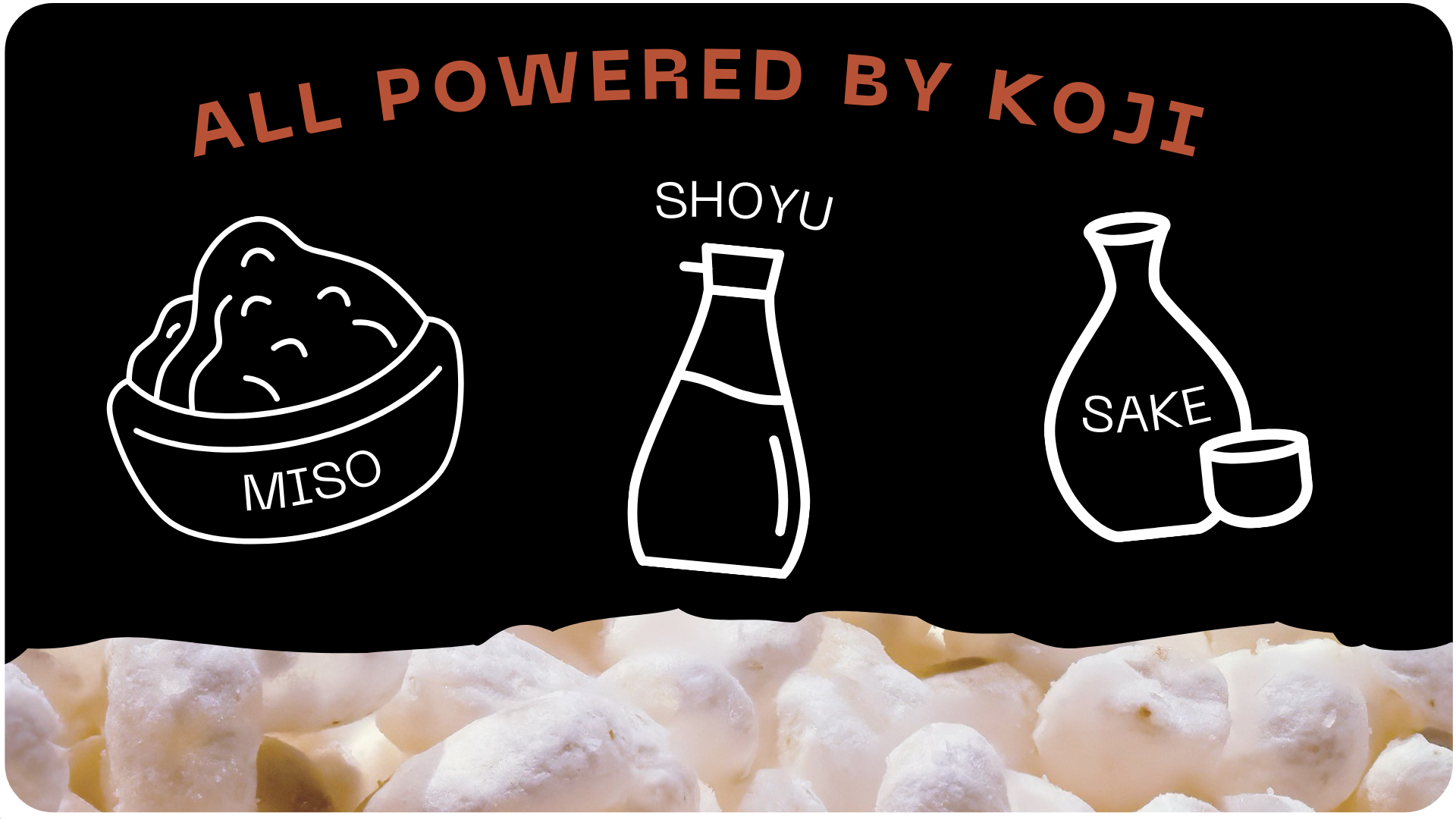
Miso, soy sauce (shoyu) and sake are the most commonly known traditional foods, but dishes like amazake, sakadane, mirin and shio koji also highlight the exceptional fermenting power of this amazing mold.
Japanese tradition is a good place to start, but koji can be used to enhance any cuisine! Throw it into a lactofermented hot sauce, sauerkraut, or kimchi for an added punch of umami.
Is koji gluten free?
Koji, meaning the species of mold, is gluten free. But that mold can be grown on wheat, which would make it not gluten free. Make sense? Other than that, the most common kind of koji, rice koji, is - indeed - gluten free!
Are you a dedicated fermenter?

